
How to Design the Customer’s Next Step in Shopify Email Automation
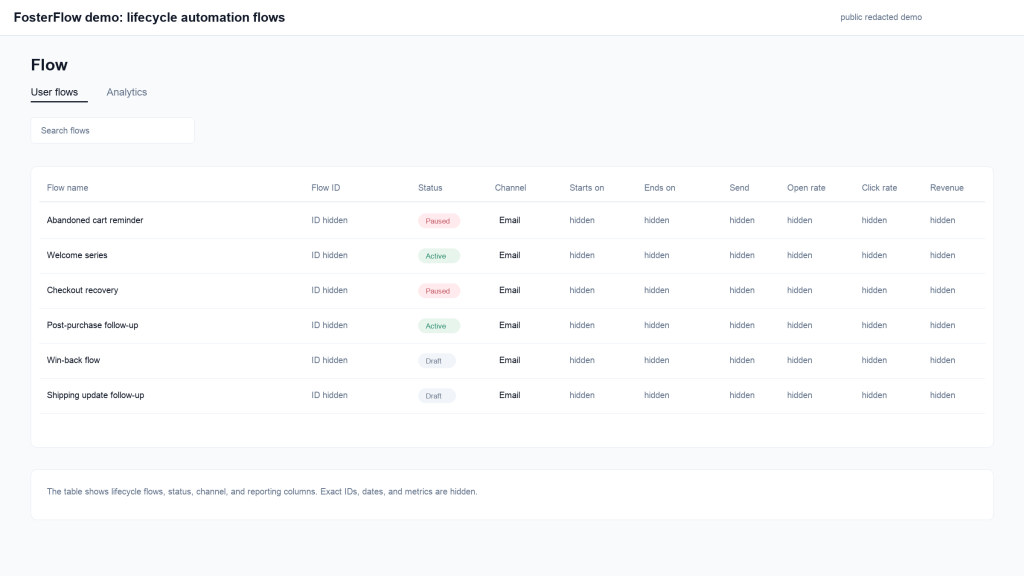
Most Shopify merchants do not struggle with email automation because they cannot write another subject line.
They struggle because the store has not decided what should happen after a customer gives a signal.
A shopper subscribes. Someone views the same product several times. A cart is created but checkout never starts. A first-time buyer completes an order and then disappears for three months. Each event creates a different operating question. Yet many email programs respond by opening a blank template and asking, “What should we send?”
That question starts too late.
The more useful question is: what should this customer do next, and what must the system know before it tries to move them there?
This is the difference between a sequence of automated emails and a customer next-step system. The first stores messages on a timeline. The second connects customer state, behavior, eligibility, timing, branch logic, content, and measurement so every message has a defined job.
Start With The Decision, Not The Draft
Consider a familiar abandoned-cart flow. Two shoppers can leave the same product in a cart for completely different reasons.
One may be surprised by shipping cost. Another may be unsure about sizing. A returning customer may simply be waiting until the usual replenishment date. A first-time visitor looking at a high-ticket product may need proof, warranty information, or a clearer return policy.
Sending all four shoppers the same discount reminder is easy to automate. It is also a weak decision system. The automation sees one event, ignores the surrounding context, and treats every hesitation as a price objection.
A stronger approach asks three questions before anyone writes the email:
- What state is the customer in? New subscriber, cart abandoner, checkout abandoner, first-time buyer, repeat buyer, high-value customer, or inactive customer?
- What signal did they give? Browsing, adding to cart, starting checkout, purchasing, clicking, reviewing, returning, or disengaging?
- What business outcome should happen next? First purchase, completed checkout, product education, review, cross-sell, replenishment, repeat purchase, or reactivation?
Those inputs give the message context. They also prevent a common mistake: optimizing copy before the team knows what the copy is supposed to accomplish.
A Flow Is A Customer Path
In a basic setup, a flow is often described as “email one, wait two days, email two.” That description is useful for scheduling, but it leaves out the decisions that make automation trustworthy.
A working lifecycle path needs seven connected parts:
- Customer state.
- Behavior signal.
- Entry condition.
- Wait time.
- Branch or exclusion rule.
- Message and CTA.
- Performance review.
This is why mature automation tools expose more than a template editor. Shopify’s marketing automation documentation organizes automations around customer actions such as subscription, product browsing, cart abandonment, checkout abandonment, purchase, and post-purchase communication. Its segmentation model uses conditions to define who belongs in a customer group. Klaviyo similarly describes flows through triggers, filters, delays, multiple paths, and analytics.
The shared principle is simple: the path comes before the message.
The visual set below matches the published WeChat article. The segment builder, email editor, and attribution report are public-safe demonstrations redrawn from real FosterFlow product workflows; the Flow Canvas is the user-approved original screenshot. They demonstrate how the system is organized without exposing private store or customer data.
1. Decide Who Is Eligible
An automation should not begin with everyone in the database. It should begin with an audience whose current state makes the next action relevant.
For example, a browse-abandonment path might include known visitors who viewed a product several times but did not add it to cart. A post-purchase education path should include recent buyers, but exclude anyone whose order was cancelled or refunded. A replenishment path should respect product cycle and previous purchase timing. A win-back path should distinguish a genuinely inactive customer from someone who normally buys only twice a year.
Segmentation is not a decorative layer added after the campaign. It is how the system decides who deserves to enter.
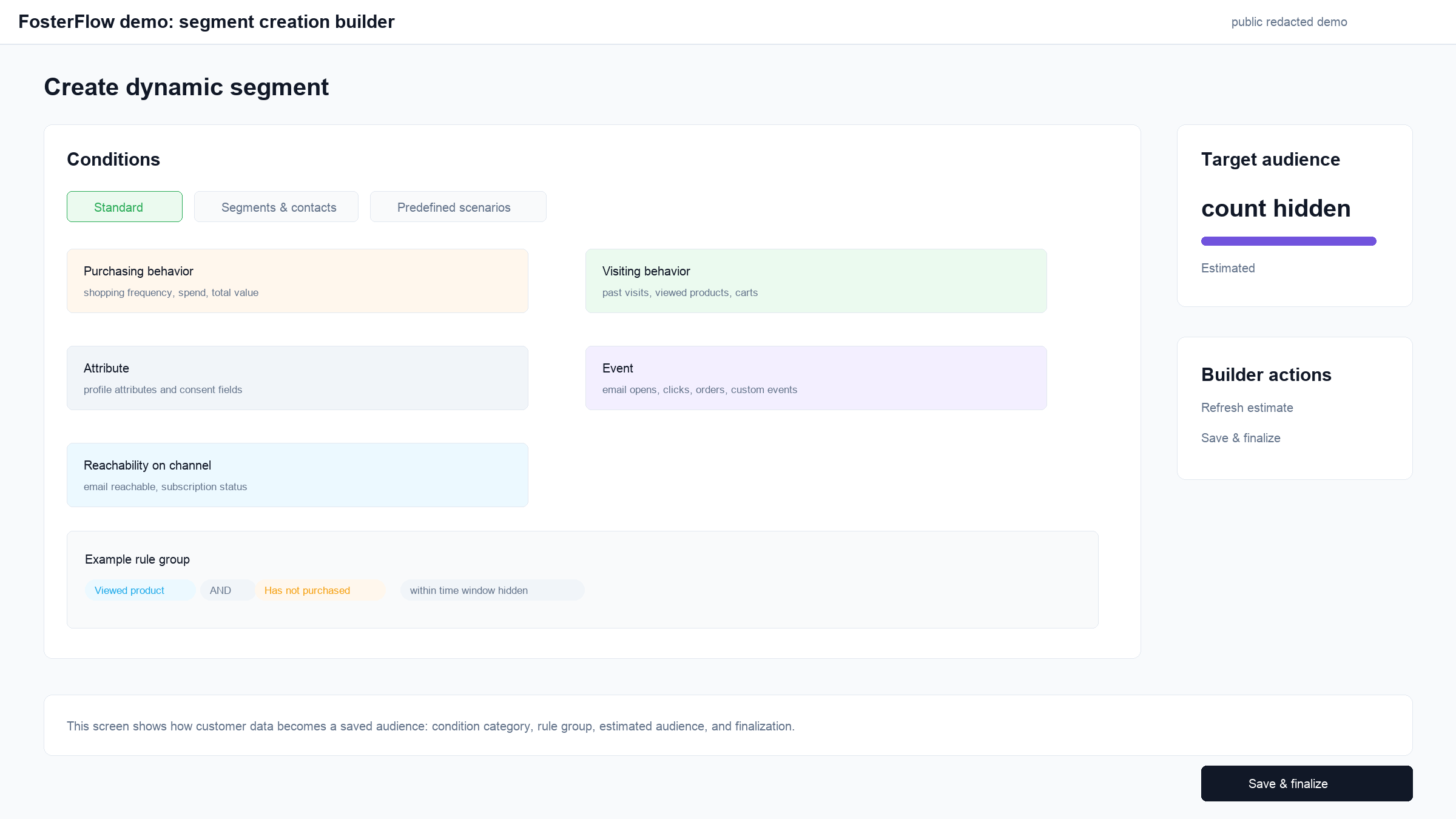
The FosterFlow audience view above is included as a public-redacted product example. It demonstrates the operating question, not private customer data: who belongs in this path right now?
2. Make Timing And Branches Visible
After entry, the system needs to handle time and change.
A customer may convert while waiting. An address may be unreachable. A shopper who belongs in one recovery path may need to be excluded from another. A follow-up email should not be sent merely because a timer expired; it should be sent because the customer still meets the conditions for that next step.
That is why a canvas matters. It lets the team see the trigger, message, wait, condition, matching path, non-matching path, and next email as one operating decision.
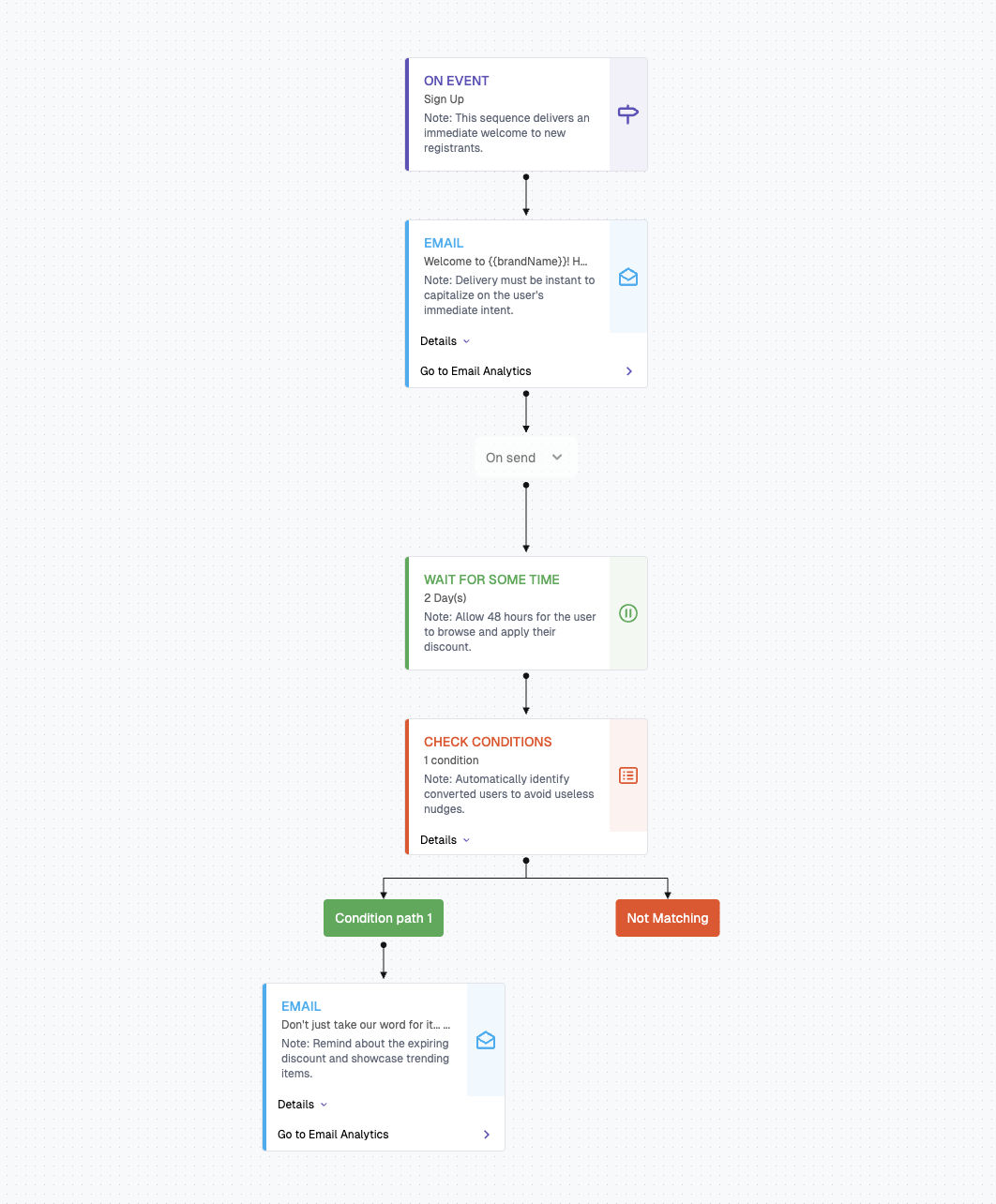
This real FosterFlow signup path shows a sequence that begins with an event, sends an immediate welcome message, waits, checks a condition, excludes non-matching customers, and continues only for the relevant path. The value is not the number of nodes. The value is that the reasoning is visible enough to inspect.
For a lean team, that visibility is operational leverage. A new teammate can understand why a message exists. A founder can question an exclusion rule. A marketer can identify where converted users should leave the path. The workflow becomes a shared system instead of an undocumented habit.
3. Give Every Message One Job
Only after the path is clear should the team move into the email editor.
The message should answer the friction at that particular step. A welcome email may establish trust and help a subscriber choose a first product. A cart email may clarify delivery, returns, compatibility, or fit. A post-purchase message may teach product use. A replenishment message may remind the customer at a natural interval without pretending every purchase is urgent.
The CTA should be equally specific. “Shop now” is not automatically wrong, but it is often too vague to reveal the intended next step. Returning to a saved cart, checking a size guide, reading setup instructions, leaving a review, or choosing a refill are clearer customer actions.
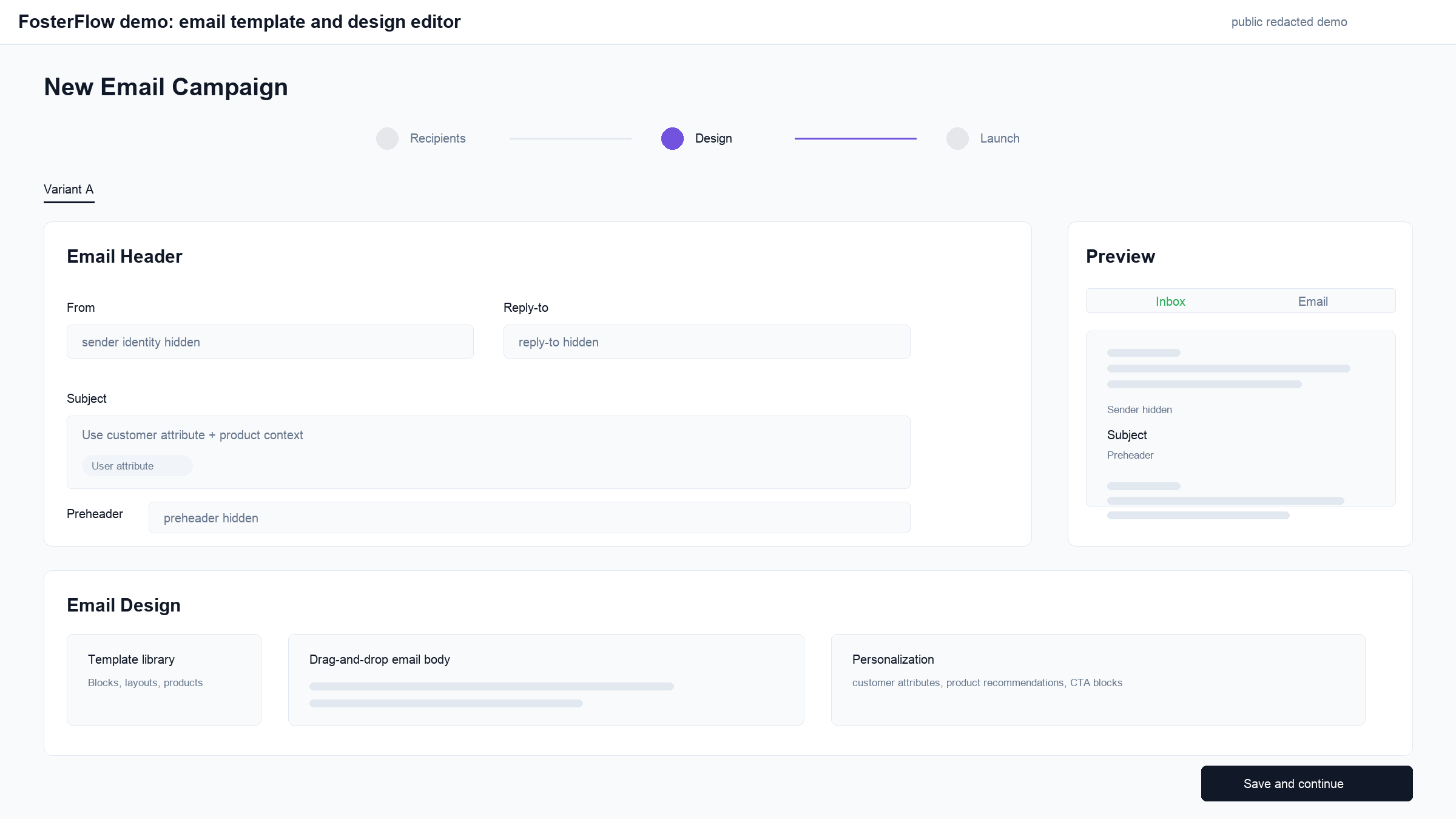
The editor is where subject, preheader, message, recommendation, and CTA become visible. It is not where the lifecycle strategy should be invented from scratch.
4. Review The Path, Not Just The Email
An automation is unfinished until the team knows how it will be reviewed.
Open rate can provide a rough signal about sender recognition, subject line, timing, and customer state, but it should not become the sole measure of success. Privacy protections and client behavior make it an imperfect metric. A high open rate can still lead nowhere.
Click and CTA behavior are closer to the next-step question. Did the customer return to the cart? Did they read the missing information? Did they reach the product or support page the message was designed to surface?
Orders, conversion, and attributed revenue matter, but attribution should be treated as a review signal rather than an unquestionable score. A dashboard can show that orders exist after a flow interaction without proving that the last email deserves all the credit.
Unsubscribes, complaints, and unreachable addresses reveal the relationship cost. A path that produces short-term orders while repeatedly contacting the wrong people can damage list health and trust.

A useful review asks four questions:
- Did the right customers enter?
- Did they receive a message that matched their state?
- Did the message move them toward the intended next step?
- Did that movement create an unacceptable relationship cost?
These questions turn reporting into the beginning of the next improvement cycle.
A Practical Starting Point For A Small Shopify Team
Do not begin by building twenty flows. Complexity should be earned through customer behavior and review data.
Choose one lifecycle moment with clear business importance. Welcome, cart or checkout abandonment, and post-purchase are usually strong starting points. Then write a one-page path brief before opening the editor:
- Define the customer state.
- Name the event or condition that creates entry.
- List the most likely friction at this moment.
- Choose one next action.
- Decide the wait and exclusion rules.
- Write the message and CTA for that action.
- Select the success and relationship-cost metrics.
This exercise makes copywriting easier because the message no longer needs to solve the entire customer relationship. It only needs to do one useful job at one appropriate moment.
Where AI Becomes Useful
AI can generate subject lines and message variants, but that is not the most important opportunity.
Once the path is explicit, AI can help compare segments, detect customers entering the wrong automation, suggest branch tests, adapt content to lifecycle context, summarize performance changes, and flag a flow whose attributed revenue looks healthy while unsubscribe or margin signals deteriorate.
Without clear states, rules, and review metrics, AI simply produces more content inside an unclear system. With them, AI can support better decisions.
That is the operating model behind FosterFlow: not “send more email,” but make the customer’s next step visible, executable, and reviewable.
Start with one path. Make the decision logic clear. Then improve the message.
References
- Shopify Help Center: Creating and managing marketing automations.
- Shopify Help Center: Creating customer segments.
- Klaviyo Help Center: Getting started with flows.
- Klaviyo: Ultimate guide to customer journey mapping.
- Selected Reddit Shopify and ecommerce merchant discussions retrieved 2026-07-09, including merchant questions about whether Shopify automations work and why advanced email tools can feel complicated. Reddit is used only as voice-of-customer evidence, not as statistical proof.